The Possessions of Mallorca
Historic country estates that shaped the island for eight centuries — and the rarest properties on its market today.
A possessió (plural possessions) is a large traditional rural estate on Mallorca. At its heart stand the cases — the group of historic buildings from which the land around them was farmed for generations. The possessions I represent are typically between 170 and 700 years old; genuinely new ones have practically never been built. Some are offered on the open market, but the truly exceptional estates usually change hands off-market.
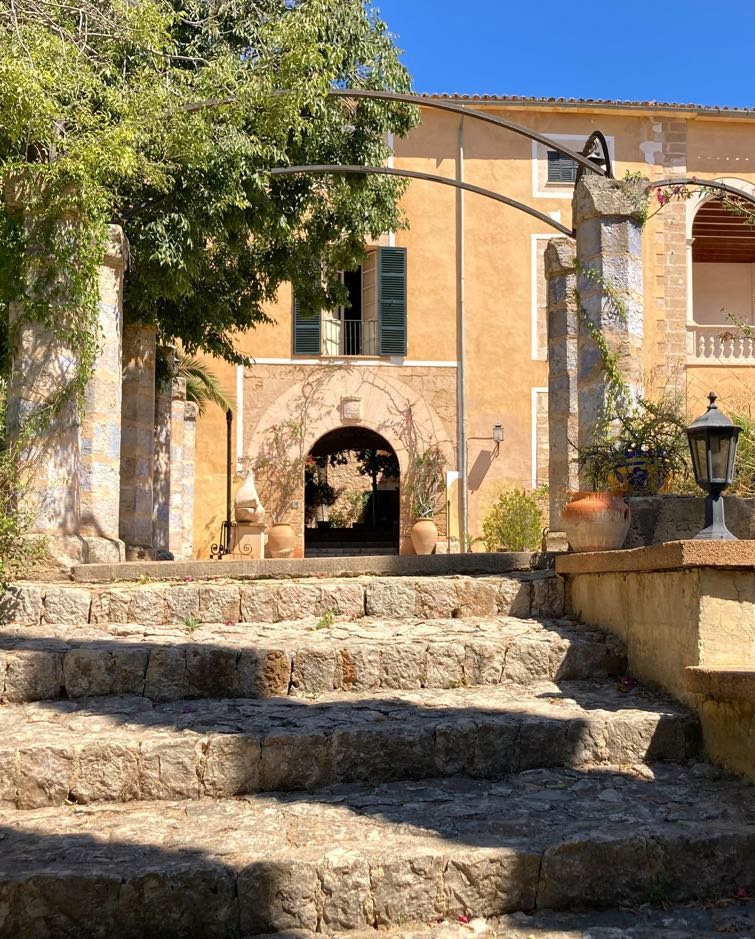
From the Reconquest to today
After King James I of Aragon took Mallorca in 1229, the island's land was divided among the noble houses and orders that had joined the conquest. Many of these holdings grew out of earlier Islamic farmsteads — the alqueries and rafals whose names still survive in place names across the island. Many estates remained in the same landowning families for centuries, and some are still owned by their descendants today.
Between the 16th and 18th centuries the possessions reached their height. Noble families lived in their palacios in Palma and visited the estate for the harvest and the summer, while an amo — the estate manager — lived on the land with his family and ran the farm: olives, cereals, almonds, carobs, vines and livestock.
Over the centuries, each estate was adapted to the needs and ambitions of its owners. The result is a remarkable variety of architecture: some possessions keep a fortified character, such as Son Marroig in Deià; others became baroque country palaces, such as Alfàbia in Bunyola, or neoclassical villas, such as Raixa, also in Bunyola. All three can be visited today.
With the decline of agriculture in the 20th century, many estates were divided, abandoned or slowly restored. Those that survive intact are today among the most significant private historic properties in the Balearic Islands.
What defines a possessió
No two possessions are alike, but the authentic ones share a recognisable language of buildings and spaces. Knowing it helps to judge how much of an estate's history has survived.
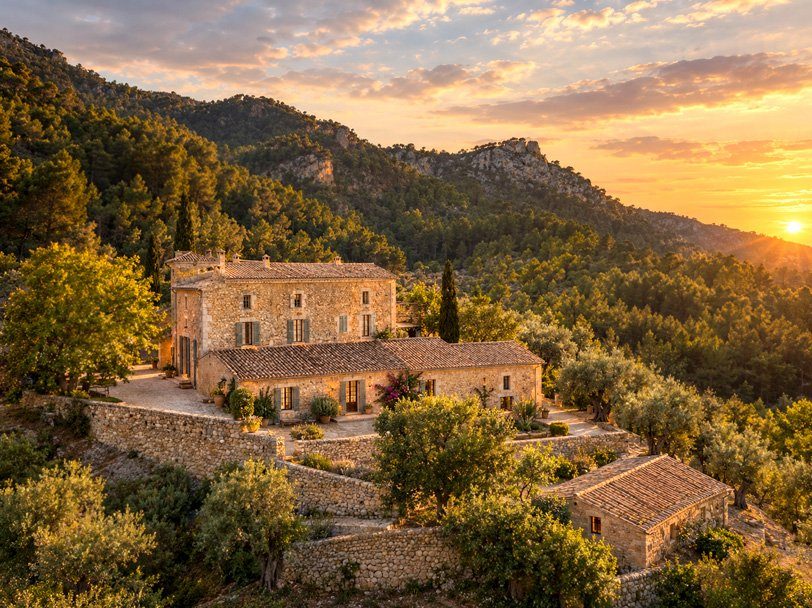
Where possessions are found
In the Serra de Tramuntana, a UNESCO World Heritage cultural landscape, estates climb the mountainside on olive terraces. On the Pla de Mallorca, the island's central plain, they are surrounded by cereal fields and almond groves. In the Llevant and the Migjorn they open onto wide farmland and, in places, towards the sea.
Each region brings its own architecture, climate and rules — and a different way of living on the land.
What buyers of a possessió should know
Historic estates are not bought like modern villas: much of their value lies in details that only experience reveals. As with any significant property, buyer and seller are each represented by their own lawyer, and every estate is reviewed thoroughly — legally and, where needed, by an architect — before signing at the notary. These are the points that matter most for a possessió.
Possessions are rarely advertised
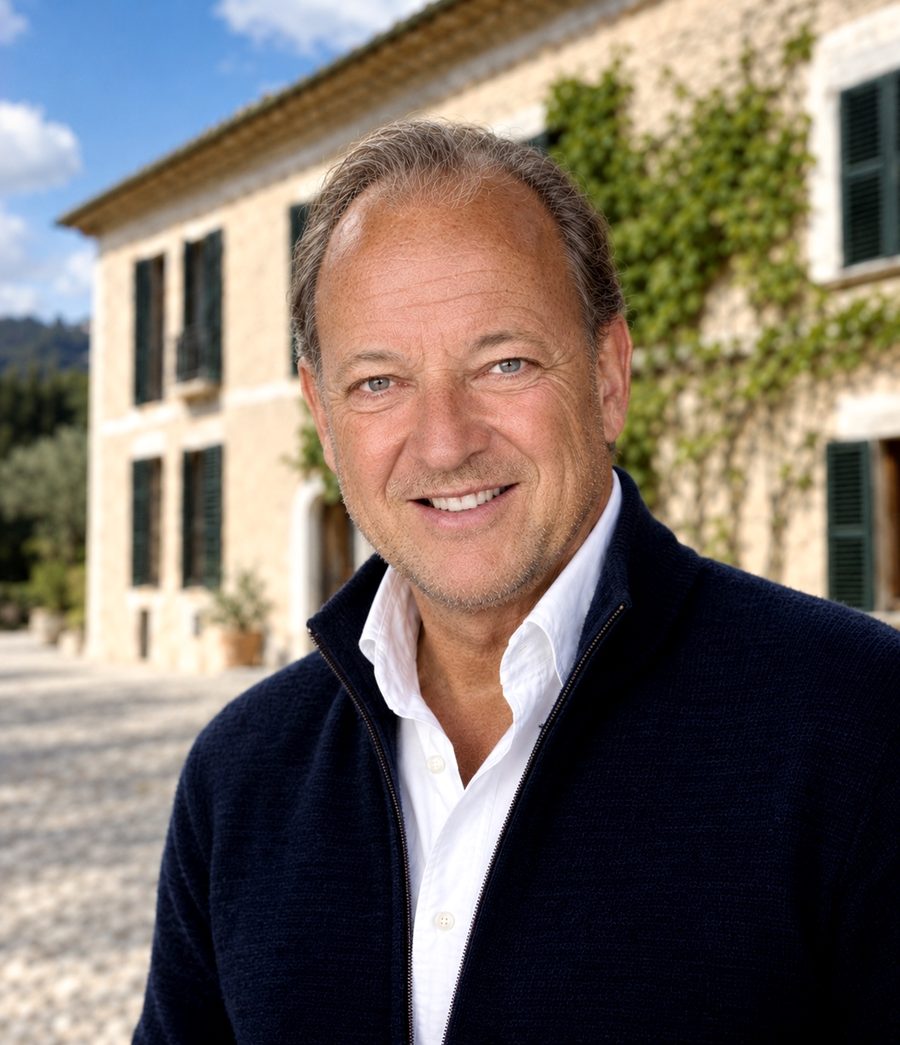
Most owners prefer discretion, and many estates are only offered within a small circle. I present suitable possessions personally, after a confidential conversation. For the legal and technical review, you are represented by your own independent lawyer — and if you do not yet have advisors on the island, I am happy to introduce experienced professionals I have trusted for many years.
Frequently asked
What is the difference between a possessió and a finca?
On Mallorca, “finca” is the general word for a property — rural or even in town. A possessió is a specific historic type: a former agricultural estate with a main house, outbuildings and its own land, often owned by the same family for generations.
Can a listed possessió be modernised?
Yes, within limits. Kitchens, bathrooms, heating and technical installations can usually be renewed, while the historic structure, façades and characteristic elements must be preserved. The scope depends on the level of protection and on the municipality.
Why are so few possessions on the market?
Their number is finite and many remain in family hands. Some estates are offered publicly, but owners of the most exceptional ones usually prefer a discreet process — which is why these sales mostly take place off-market, through personal contacts.
Who do you work for — the buyer or the seller?
For both. My role is to bring buyer and seller together, to mediate between them and to guide the sale to a conclusion that is right for both sides — making sure the buyer is on safe ground at every step, and that the sale proceeds smoothly for the seller. Each party is legally represented by its own lawyer.
Can I also find possessions on Ibiza or Menorca?
The term possessió belongs to Mallorca. Menorca has its own tradition of rural estates, the llocs — related, but not identical — and Ibiza its historic farmhouses. I am happy to discuss suitable properties on the other islands as well.